Let’s get one thing straight:
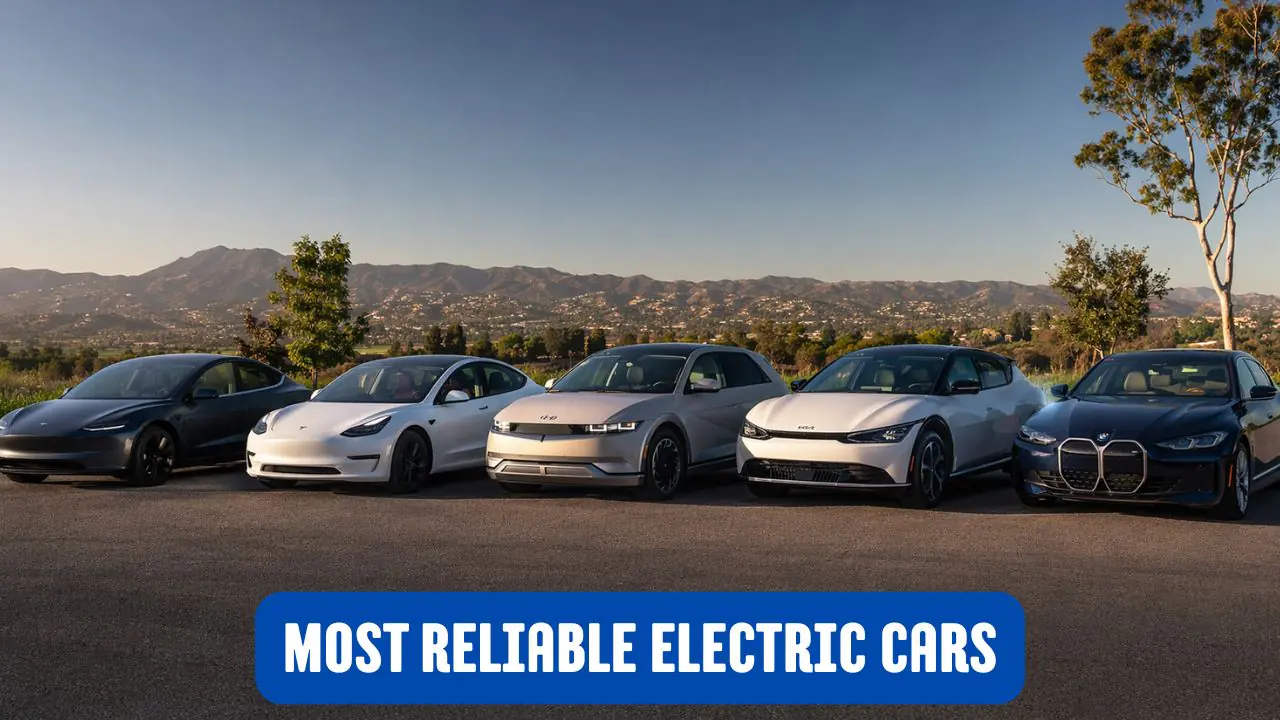
The phrase “most reliable electric cars” in 2026 doesn’t mean what it did five years ago.
Back then, reliability meant engines, gearboxes, and oil leaks.
Today? It’s more like:
- Battery chemistry
- Software stability
- Sensor calibration
- Over-the-air updates that may—or may not—break something
In short, your car is now part machine, part smartphone… and occasionally behaves like both.
The EV Reliability Reality: Software Is the New Engine
Here’s the uncomfortable truth most glossy blogs skip:
A modern EV can have a flawless motor and still fail you because of:
- A faulty control unit
- A software bug
- A charging communication error
This is why some of the most reliable electric cars on paper still carry real-world caveats.
Top 10 Most Reliable Electric Cars
1. Tesla Model 3
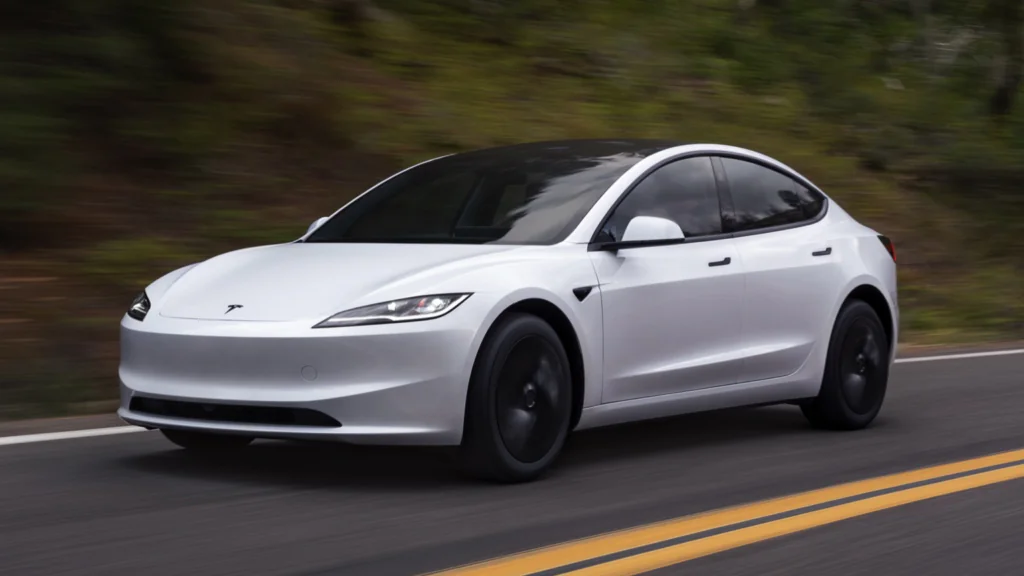
Still among the most reliable electric cars, but with a split personality.
- Strength: Industry-leading software ecosystem, drivetrain durability
- Reality Check: Build quality inconsistencies (panel gaps, trim) still reported
- Insight: Reliable where it matters mechanically—but not always cosmetically
The newer Model 3 refresh improves things, but long-term data is still maturing.
2. Toyota bZ4X
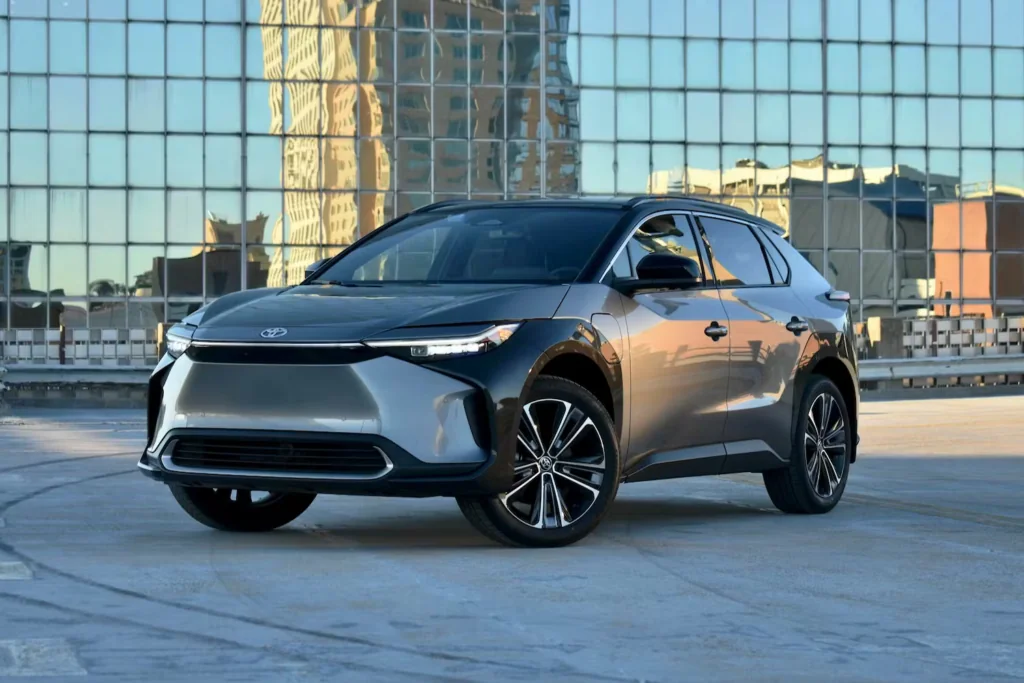
The safest “no drama” EV on sale.
- Strength: Conservative engineering, low failure rates
- Weakness: Lacks cutting-edge range and features
Toyota didn’t try to win the EV race—they tried to not lose your trust.
3. BMW i4
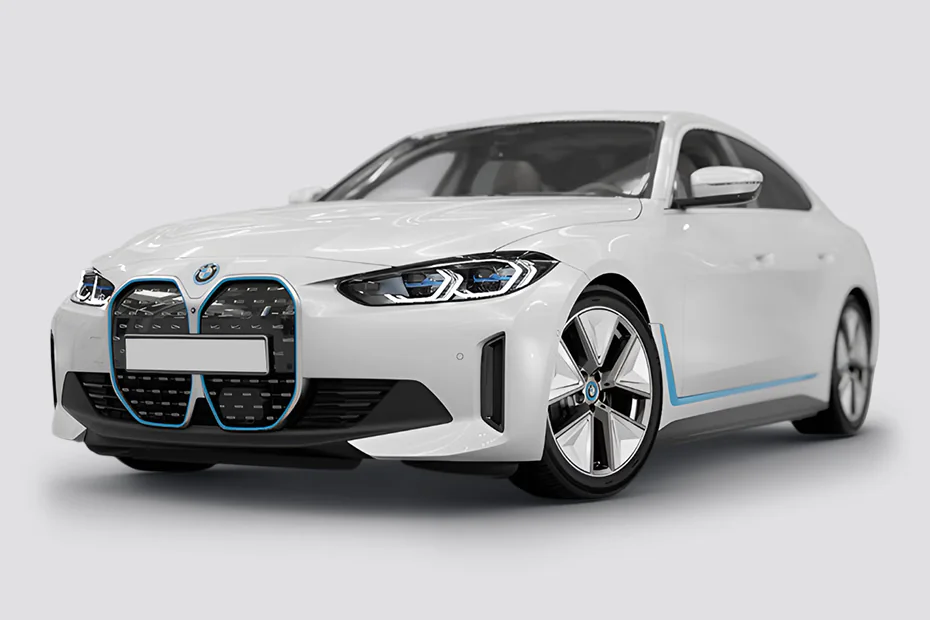
Quietly one of the strongest performers in reliability studies.
- Strength: Excellent build quality + stable electronics
- Weakness: Premium repair costs
If reliability had a luxury badge, this would be it.
4. BYD Seal
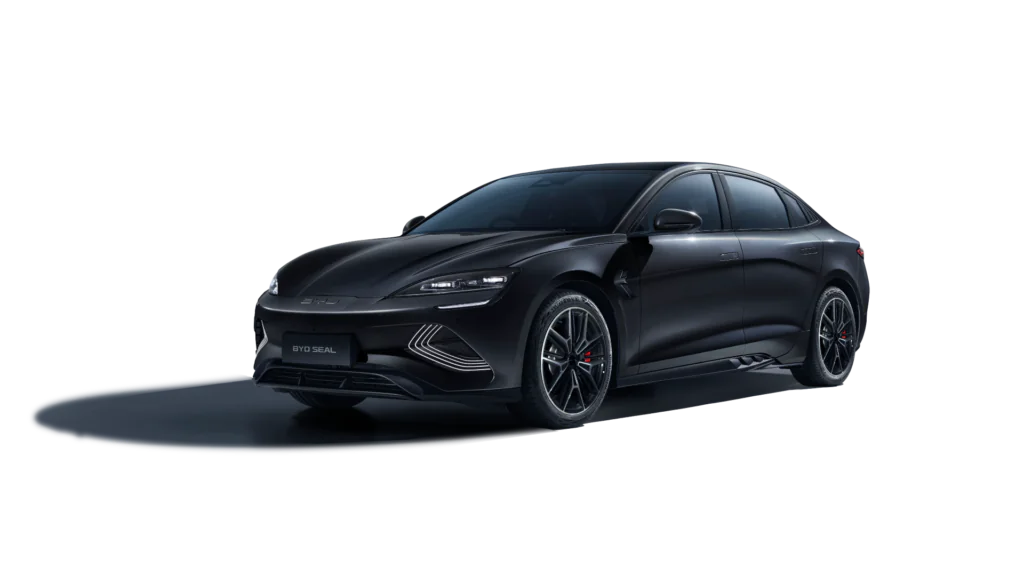
Potentially the most future-proof EV in terms of battery tech.
- Strength: LFP Blade Battery (high thermal stability, long lifecycle)
- Weakness: Limited long-term global reliability data
This isn’t just hype—the battery chemistry itself is fundamentally more stable.
5. Hyundai Ioniq 5
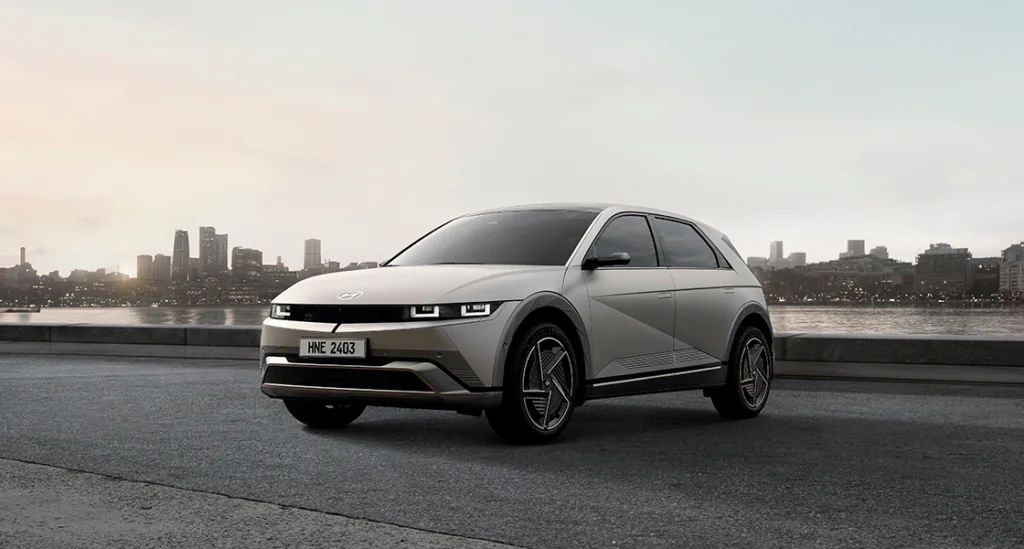
A great car… with an important footnote.
- Strength: Strong platform, efficient battery system
- Major Caveat: ICCU (Integrated Charging Control Unit) failures reported
Translation: Brilliant when working, frustrating when it isn’t—check recall status.
6. Kia EV6
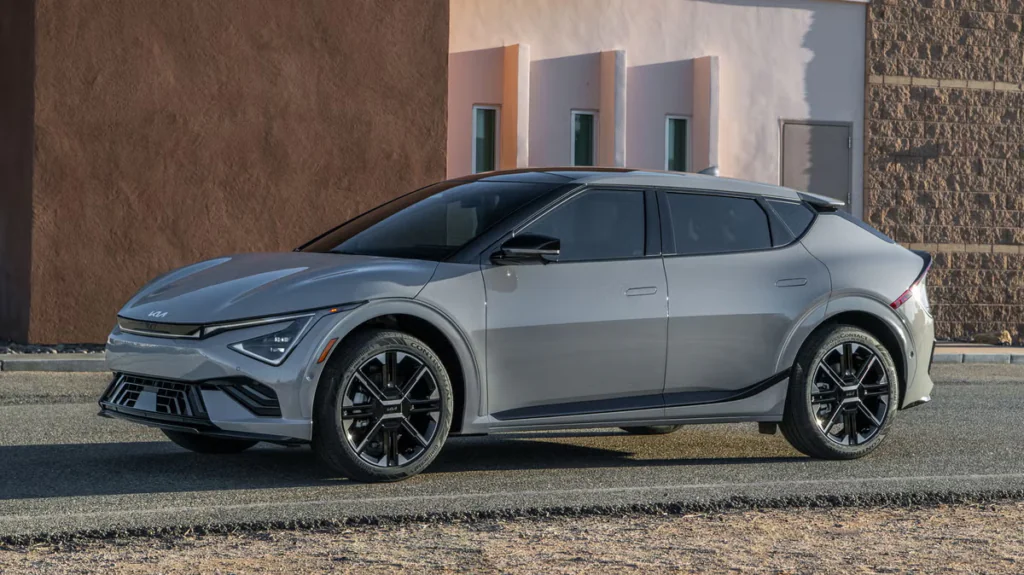
Same story, slightly sportier tone.
- Strength: Solid drivetrain, fast charging
- Major Caveat: Shares ICCU-related risks with Ioniq 5
Think of it as reliability with a “terms and conditions apply” label.
7. Ford Mustang Mach-E
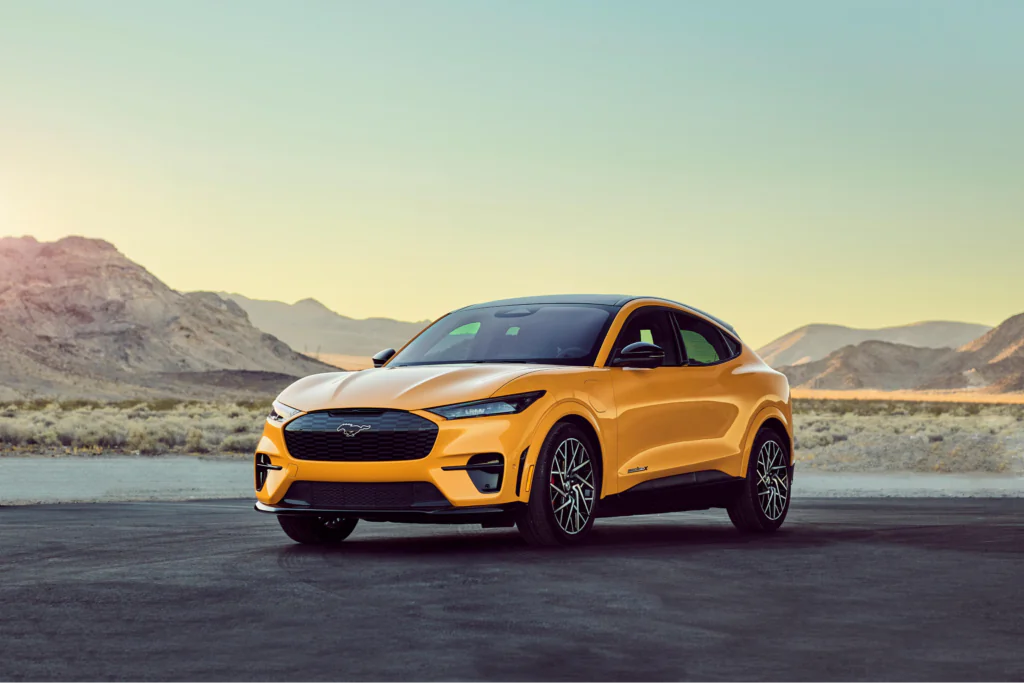
A comeback story—not a clean slate.
- Strength: Improved software and stability in newer models
- Historical Issue: High-voltage contactor failures (early models)
2026 versions are far more stable—but history matters when buying used.
8. Nissan Leaf (e+)
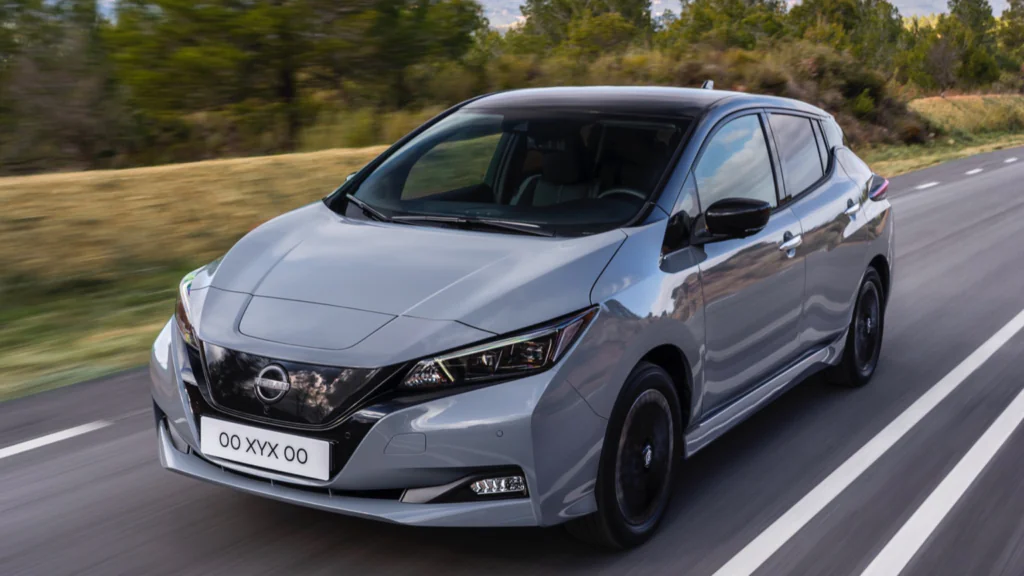
The “old but gold” option.
- Strength: Proven, simple, extremely predictable
- Limitation: CHAdeMO charging + weaker thermal management
It’s reliable… but like a flip phone in a smartphone world.
9. Volkswagen ID.4
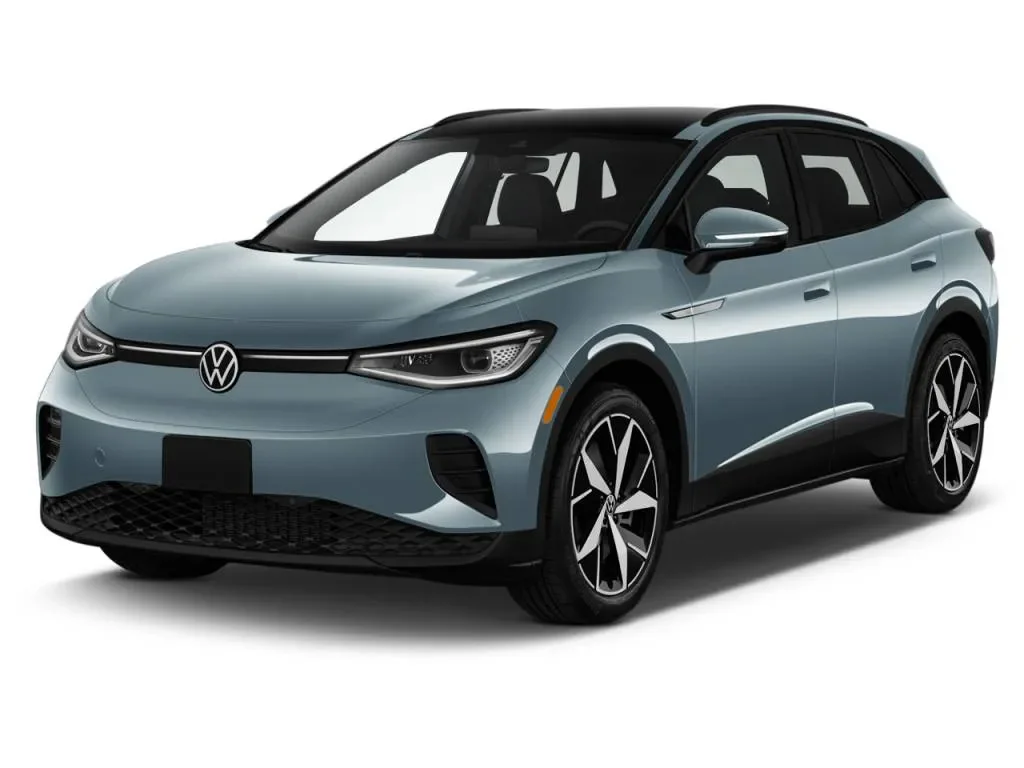
This one needs honesty.
- Strength: Solid hardware platform
- Reality: Persistent software bugs, 12V battery issues, recalls
Calling it one of the most reliable electric cars is debatable at best in 2026.
10. Tesla Model S
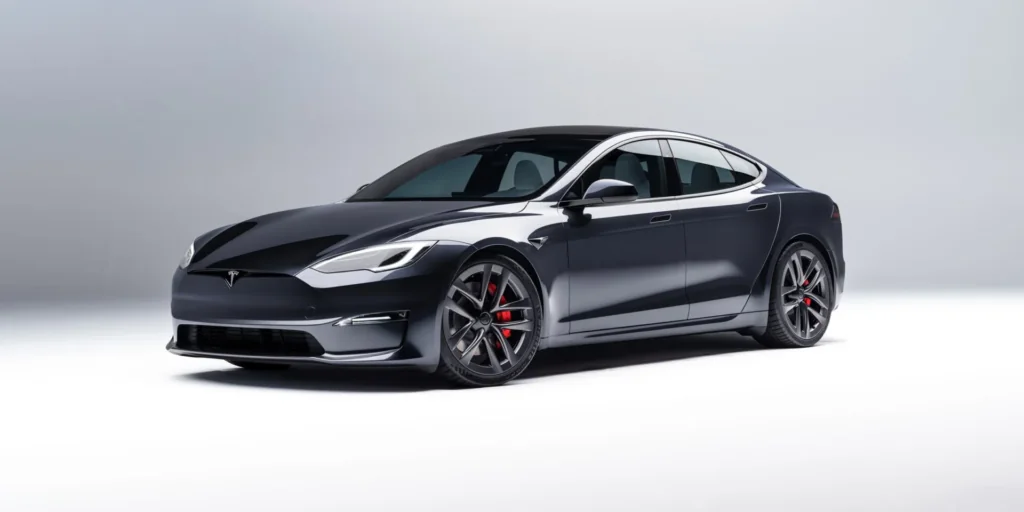
A veteran that has stabilized over time.
- Strength: Mature platform, strong drivetrain
- Weakness: Complex electronics = higher repair stakes
Reliable—but only if you’re comfortable with high-tech complexity.
Model-Year Matters: The Most Overlooked Truth
Here’s the nuance that changes everything:
A 2022 EV and a 2026 EV with the same name can have completely different reliability profiles.
Examples:
- Early Mach-E → contactor issues
- Early ID.4 → software instability
- Early Ioniq 5 → ICCU failures
Meanwhile, newer versions often fix these.
Conclusion:
When evaluating the most reliable electric cars, you’re not just choosing a model—you’re choosing a specific production year.
How to Actually Buy One of the Most Reliable Electric Cars
Skip the marketing. Do this instead:
1. Check Recall Status (Non-Negotiable)
Use VIN lookup tools before buying any EV.
2. Prioritize Battery Chemistry
- LFP (like BYD) → longer life, more stable
- NMC → higher energy density, slightly more degradation
3. Look Beyond Range
A 600 km EV that glitches isn’t more reliable than a 450 km one that doesn’t.
4. Software Track Record Matters
Brands with stable OTA ecosystems tend to age better.
5. Avoid First-Year Models
Early adopters often double as beta testers.
Final Thoughts: Reliability Is Now About Trust, Not Just Engineering
The idea of the most reliable electric cars has evolved.
It’s no longer just about:
- “Will it break?”
It’s about:
- “Will it behave consistently over time?”
And maybe that’s the deeper shift.
Because in 2026, the most reliable car isn’t the most advanced one—
it’s the one that quietly does its job without demanding your attention.
Like good technology should.
More Articles You Shouldn’t Miss